Do powerful cordless vacuum cleaners lose suction over time? This is a question that many consumers and industry insiders often ponder. As a supplier of powerful cordless vacuum cleaners, I have in - depth knowledge and practical experience regarding this issue. In this blog, I'll delve into the factors that might cause a loss of suction in cordless vacuum cleaners and share some insights on how to maintain their performance.
Understanding the Basics of Cordless Vacuum Cleaner Suction
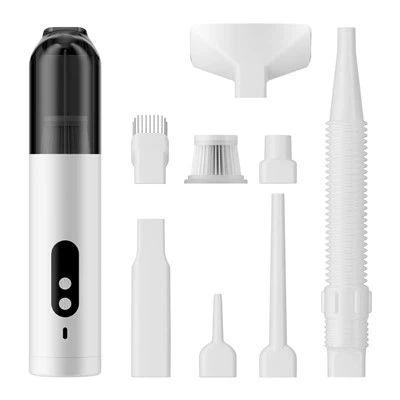
Before we discuss whether suction can decline over time, it's essential to understand what creates suction in a cordless vacuum cleaner. The heart of the suction mechanism is the motor. In modern powerful cordless vacuum cleaners, high - performance motors, such as those found in our BLDC Handheld Vacuum Cleaner, are designed to generate strong airflows. These motors spin at incredibly high speeds, creating a pressure difference between the inside of the vacuum cleaner and the surrounding environment. Air rushes into the vacuum cleaner through the intake nozzle, carrying dirt and debris with it.
The suction power is also influenced by the design of the airflow path. A well - designed path minimizes resistance, allowing air to flow smoothly and efficiently. Additionally, the filtration system plays a crucial role. It traps dust and debris while allowing clean air to pass through. If any part of this system is compromised, the suction power can be affected.


Factors That Can Cause Loss of Suction
1. Clogging
One of the most common reasons for a loss of suction in cordless vacuum cleaners is clogging. As the vacuum cleaner picks up dirt, hair, and debris, these particles can accumulate in the airflow path. For example, the hose, the brush head, or the dustbin can become blocked. In the case of our car handheld vacuum cleaner, which is often used to clean small spaces in cars, it's especially prone to clogging from things like sand, crumbs, and pet hair.
When the airflow path is blocked, the air cannot flow freely, and the pressure difference required for suction is reduced. This can lead to a noticeable decrease in the vacuum cleaner's ability to pick up dirt. Regularly checking and cleaning the hose, brush head, and dustbin can prevent clogging and maintain optimal suction.
2. Filter Issues
The filtration system is another critical component that can affect suction power. Over time, filters can become dirty and clogged with dust and debris. A dirty filter restricts the airflow, reducing the suction. There are different types of filters in cordless vacuum cleaners, such as HEPA filters and foam filters. HEPA filters are very efficient at trapping fine particles but need to be replaced periodically, usually every 6 - 12 months depending on usage. Foam filters can often be washed and reused, but they also need to be cleaned regularly.
Our handheld bagless vacuum cleaner comes with a high - quality filtration system. However, if the user neglects to clean or replace the filters, the suction power will gradually decline.
3. Battery Degradation
Since cordless vacuum cleaners rely on batteries for power, battery degradation can also lead to a loss of suction. As the battery ages, its capacity to hold a charge decreases. A weaker battery may not be able to provide the full power required to run the motor at its optimal speed. This results in a reduction in the airflow and, consequently, a decrease in suction.
Most modern cordless vacuum cleaner batteries have a limited number of charge - discharge cycles. With regular use, the battery's performance will naturally decline over time. To mitigate this issue, it's important to follow the manufacturer's instructions for battery care, such as avoiding overcharging and storing the battery in a cool, dry place.
4. Motor Wear
The motor is the workhorse of the vacuum cleaner, and like any mechanical component, it can experience wear and tear over time. Continuous use at high speeds can cause the motor's internal parts, such as the bearings and brushes (in brushed motors), to wear out. As the motor's efficiency decreases, the suction power will also be affected.
However, in our powerful cordless vacuum cleaners, we use high - quality motors with advanced designs and materials to minimize wear. For example, brushless DC motors (BLDC) are more durable and efficient than traditional brushed motors, reducing the likelihood of motor - related suction loss.
How to Maintain Suction Power
1. Regular Cleaning
As mentioned earlier, regular cleaning of the vacuum cleaner is essential. After each use, empty the dustbin and check the hose and brush head for any blockages. Use a brush or a small tool to remove any debris that may be stuck. Cleaning the filters regularly is also crucial. If the filter is washable, follow the manufacturer's instructions for cleaning. If it's a non - washable filter, replace it at the recommended intervals.
2. Proper Battery Care
To ensure the battery performs at its best, charge it according to the instructions. Avoid leaving the battery on the charger for extended periods after it's fully charged. If you're not going to use the vacuum cleaner for an extended period, store the battery at around 50% charge in a cool, dry place.
3. Professional Maintenance
Periodically, it may be beneficial to have the vacuum cleaner professionally serviced. A technician can check the motor, the airflow path, and other components for any signs of wear or damage. They can also perform any necessary adjustments or repairs to keep the vacuum cleaner operating at its peak performance.
Conclusion
In conclusion, while powerful cordless vacuum cleaners can potentially lose suction over time, this is not an inevitable outcome. By understanding the factors that can cause a loss of suction and taking appropriate maintenance measures, users can keep their vacuum cleaners performing at a high level for a long time.
As a supplier of powerful cordless vacuum cleaners, we are committed to providing high - quality products and sharing our knowledge to help customers get the most out of their purchases. If you're interested in our range of cordless vacuum cleaners or have any questions about suction maintenance, we encourage you to contact us for procurement discussions. We look forward to working with you to meet your cleaning needs.
References
- "Vacuum Cleaner Technology and Maintenance" - A technical guide on vacuum cleaner components and upkeep.
- "Battery Management for Cordless Devices" - Research on best practices for battery care in cordless appliances.
- Industry reports on the performance and durability of cordless vacuum cleaners.