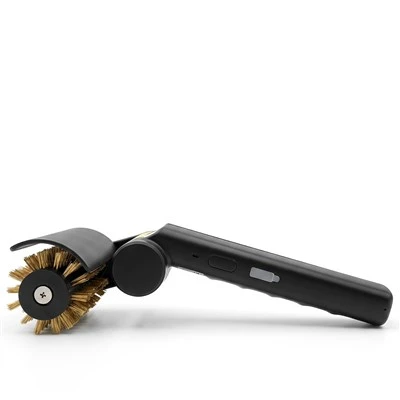
In the modern world of household cleaning, cordless vacuum cleaners have emerged as a popular choice for their convenience and portability. As a supplier of cordless vacuum cleaners, I've received numerous inquiries about the noise levels of these devices. This blog aims to delve into the topic of how noisy cordless vacuum cleaners are, exploring the factors that influence noise, comparing them to traditional corded models, and providing insights to help consumers make informed decisions.
Understanding the Noise Levels of Cordless Vacuum Cleaners
Noise is typically measured in decibels (dB). A whisper is about 30 dB, normal conversation is around 60 dB, and a lawnmower can reach up to 90 dB. Cordless vacuum cleaners generally operate in the range of 70 - 85 dB. However, this can vary significantly depending on several factors.
Factors Affecting Noise Levels
- Motor Power and Design: The motor is the heart of a vacuum cleaner, and its power and design play a crucial role in determining noise levels. High - power motors tend to be noisier as they generate more suction. For example, our powerful handheld vacuum cleaner is equipped with a high - performance motor to provide strong suction, which may result in a relatively higher noise level compared to some lower - power models. On the other hand, advanced motor designs, such as brushless motors, can be more efficient and quieter.
- Suction Strength: The stronger the suction, the more air is being pulled through the vacuum cleaner, which can create more noise. When a cordless vacuum cleaner is set to a high - suction mode, it will usually be louder than when it is on a lower setting. Our mini handheld vacuum cleaner offers multiple suction levels, allowing users to choose a quieter option when a lower level of cleaning power is sufficient.
- Build Quality and Materials: The quality of the materials used in the construction of the vacuum cleaner can also affect noise. A well - built vacuum with high - quality plastics and tight seals is likely to be quieter than a poorly made one. Loose parts or gaps in the housing can cause vibrations and rattling, increasing the overall noise level.
Comparing Cordless and Corded Vacuum Cleaners
Corded vacuum cleaners have long been the standard in household cleaning. So, how do cordless models stack up in terms of noise?
- Noise at Similar Suction Levels: In general, corded vacuum cleaners tend to be louder than cordless ones when comparing models with similar suction capabilities. Corded vacuums often have larger, more powerful motors that can generate higher noise levels. Cordless vacuum cleaners, on the other hand, are designed to be more compact and energy - efficient, which can result in lower noise output.
- Convenience vs. Noise: One of the main advantages of cordless vacuum cleaners is their convenience. You can easily move around the house without having to worry about finding a power outlet or dealing with a long cord. While they may not be completely silent, the trade - off for the added convenience is often worth it for many consumers.
Noise Considerations for Different Environments
The noise level of a cordless vacuum cleaner can have different implications depending on the environment in which it is used.


- Home Use: In a residential setting, noise can be a concern, especially if you have young children, elderly family members, or pets. Our car handheld vacuum cleaner is designed to be relatively quiet, making it suitable for use in the home without causing too much disruption. You can choose to clean during times when the household is less likely to be affected, such as when everyone is out or during the day when normal background noise can help mask the vacuum's sound.
- Car Cleaning: When using a vacuum cleaner in a car, noise may be less of an issue as the enclosed space of the vehicle can help contain the sound. However, a quieter vacuum cleaner can still be more pleasant to use, especially if you are cleaning for an extended period.
Tips for Reducing Noise
If noise is a major concern for you, here are some tips to help reduce the noise level of your cordless vacuum cleaner:
- Choose the Right Model: Look for models that are specifically designed to be quiet. Some manufacturers use noise - reducing technologies, such as sound - dampening materials or advanced motor designs, to minimize noise.
- Use the Appropriate Suction Level: As mentioned earlier, using a lower suction level can significantly reduce noise. Only use the high - suction mode when necessary.
- Maintain Your Vacuum Cleaner: Regular maintenance, such as cleaning the filters and checking for any loose parts, can help keep your vacuum cleaner running smoothly and quietly. A clogged filter can cause the motor to work harder and generate more noise.
Conclusion
In conclusion, the noise level of cordless vacuum cleaners can vary depending on several factors, including motor power, suction strength, and build quality. While they are generally quieter than corded vacuum cleaners, it's important to consider your specific needs and the environment in which you will be using the vacuum. At our company, we offer a range of cordless vacuum cleaners with different noise levels to suit various preferences.
If you're interested in learning more about our cordless vacuum cleaners or are looking to make a purchase, we encourage you to reach out to us for a detailed discussion. Our team of experts is ready to assist you in finding the perfect vacuum cleaner for your needs.
References
- Consumer Reports. (Year). Vacuum Cleaner Noise Testing.
- Vacuum Cleaner Manufacturers Association. (Year). Technical Guide on Vacuum Cleaner Noise.