Hey there! As a supplier of BLDC Vacuum Cleaners, I often get asked about the heat dissipation performance of these nifty gadgets. So, let's dive right in and explore what makes the heat dissipation in a BLDC vacuum cleaner tick.
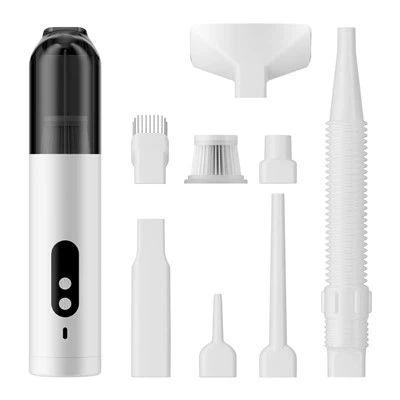
First off, let's understand what a BLDC vacuum cleaner is. A BLDC, or Brushless Direct Current, motor is the heart of these vacuums. Unlike traditional brushed motors, BLDC motors are more efficient, have a longer lifespan, and can deliver more power. They're used in a wide range of products, from Cordless Vacuum Cleaner and Air Compressor to Powerful Cordless Vacuum Cleaner.
Now, when a motor runs, it generates heat. That's just the nature of the beast. In a vacuum cleaner, excessive heat can be a real problem. It can reduce the motor's efficiency, shorten its lifespan, and even lead to a complete breakdown. That's where heat dissipation comes in.
The heat dissipation performance of a BLDC vacuum cleaner refers to how well it can get rid of the heat generated by the motor. A good heat dissipation system ensures that the motor stays cool, which in turn keeps the vacuum cleaner running smoothly and efficiently.
There are several factors that affect the heat dissipation performance of a BLDC vacuum cleaner. One of the most important is the design of the motor itself. A well-designed BLDC motor will have a low resistance, which means it generates less heat in the first place. It will also have a high power density, which allows it to deliver more power without overheating.


Another factor is the cooling system. Most BLDC vacuum cleaners use a combination of air cooling and heat sinks to dissipate heat. Air cooling works by blowing air over the motor to carry away the heat. The air can be drawn in from the outside or recirculated within the vacuum cleaner. Heat sinks, on the other hand, are made of materials with high thermal conductivity, such as aluminum or copper. They absorb the heat from the motor and transfer it to the surrounding air.
The quality of the materials used in the construction of the vacuum cleaner also plays a role in heat dissipation. For example, a vacuum cleaner with a plastic housing may not dissipate heat as well as one with a metal housing. Metal is a better conductor of heat, so it can transfer the heat from the motor to the outside more effectively.
Let's take a closer look at how these factors work together in a real-world scenario. Imagine you're using a BLDC Vacuum Cleaner to clean your living room. As you move the vacuum cleaner around, the motor is working hard to suck up dirt and debris. This generates heat, but the cooling system kicks in to keep the motor cool.
The air cooling system draws in fresh air from the outside and blows it over the motor. The heat sinks absorb the heat from the motor and transfer it to the air. The hot air is then expelled from the vacuum cleaner, taking the heat with it. This continuous cycle of heat transfer ensures that the motor stays at a safe operating temperature.
But what happens if the heat dissipation system fails? Well, that's when things can get a little dicey. If the motor gets too hot, it can start to lose efficiency. This means that the vacuum cleaner may not suck up dirt and debris as effectively, and it may even stop working altogether. In some cases, overheating can cause permanent damage to the motor, which means you'll have to replace it.
So, how can you tell if your BLDC vacuum cleaner has good heat dissipation performance? One way is to pay attention to how it feels when you're using it. If the vacuum cleaner gets too hot to touch after just a few minutes of use, that's a sign that the heat dissipation system may not be working properly. Another way is to check the manufacturer's specifications. A good quality BLDC vacuum cleaner should have a maximum operating temperature listed in the manual.
As a supplier of BLDC vacuum cleaners, we take heat dissipation very seriously. We use the latest technology and high-quality materials to ensure that our vacuum cleaners have excellent heat dissipation performance. Our engineers spend countless hours testing and refining our products to make sure they meet the highest standards of quality and reliability.
If you're in the market for a new vacuum cleaner, I highly recommend considering a BLDC model. Not only do they offer better performance and efficiency than traditional vacuum cleaners, but they also have better heat dissipation, which means they'll last longer and require less maintenance.
If you're interested in learning more about our BLDC vacuum cleaners or have any questions about heat dissipation performance, please don't hesitate to reach out. We're always happy to help and look forward to discussing how our products can meet your cleaning needs. Let's start a conversation about your next vacuum cleaner purchase today!
References
- "Brushless DC Motors: Theory, Design, and Application" by Ned Mohan
- "Heat Transfer in Engineering Systems" by Frank Kreith and Raj M. Manglik