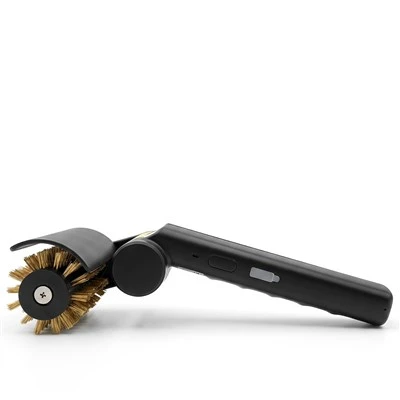
Hey there! As a supplier of robot vacuum cleaners, I've gotten tons of questions from customers about how these nifty gadgets perform in low - light conditions. Well, let's dig into this topic and see what's what.
First off, you might be wondering why low - light performance even matters. Well, think about it. Most of us clean our homes in the evenings after a long day at work, or early in the morning when the sun ain't fully up yet. That means our robot vacuums are often working in less - than - ideal lighting. And if they can't function well in these conditions, it's gonna be a real pain in the neck.
So, how do robot vacuum cleaners handle low - light situations? It all boils down to the technology they use. There are a few different types of navigation systems that these vacuums rely on, and each has its own strengths and weaknesses when it comes to low light.
One of the most common navigation technologies is gyro navigation. Gyro Navigation Robot Vacuum cleaners use gyroscopes to keep track of their position and movement. These little devices are pretty good at maintaining a straight path and avoiding obstacles. In low - light conditions, gyro navigation can still work pretty well because it doesn't rely on visual cues. The gyroscope measures the vacuum's rotation and movement in space, so as long as the sensors are working properly, it can clean efficiently even when it's dark. You can check out more about Gyro Navigation Robot Vacuum on our website.
Another popular technology is laser - based navigation. Laser - guided robot vacuums emit lasers to map out the room and figure out where they are. In well - lit rooms, this technology is super accurate and can create detailed maps of your home. But in low - light conditions, it might face a few challenges. The lasers might not be as effective at detecting objects or creating a clear map. However, many modern laser - guided vacuums come with additional sensors to compensate for this. They can use infrared sensors or other types of proximity sensors to make up for any limitations in the laser system.
Camera - based navigation is another option. These robot vacuums use cameras to "see" the room and navigate around. In good lighting, they can identify different types of surfaces, detect obstacles, and even recognize furniture. But in low light, the camera's performance can take a hit. The images might be blurry or dark, making it harder for the vacuum to accurately map the room and avoid obstacles. Some camera - based vacuums have night - vision capabilities or use infrared light to improve their performance in the dark, but it's still not as reliable as other navigation methods in extremely low - light conditions.
Now, let's talk about how the cleaning performance is affected in low - light conditions. The suction power of a robot vacuum shouldn't be affected by the lighting. Whether it's bright or dark, the motor will still work to suck up dirt, dust, and debris. However, the ability to detect and clean specific areas might be different. For example, if a robot vacuum uses visual sensors to identify dirty spots, it might miss some in low light. But if it has other types of sensors, like dirt - detection sensors that rely on vibration or air - flow changes, it can still do a decent job of finding and cleaning dirty areas.
One of the features that can really come in handy in low - light conditions is self - emptying. Self Emptying Robot Vacuum and Mop models are designed to empty their dustbins automatically into a larger base station. This means that you don't have to worry about emptying the vacuum's dustbin as often. In low light, it can be a real hassle to try and empty a small dustbin, especially if you can't see clearly. With a self - emptying feature, the vacuum takes care of it for you. You can learn more about Self Emptying Robot Vacuum and Mop on our site.
Another important aspect is the ability to return to the charging station. In low - light conditions, it can be tricky for a robot vacuum to find its way back to the charging dock. However, most modern robot vacuums use a combination of sensors and signals to locate the charging station. They might use infrared signals, magnetic fields, or other types of beacons to guide them back. So, even in the dark, they should be able to find their way home and recharge.
Overall, the performance of a robot vacuum cleaner in low - light conditions depends on the technology it uses. While some navigation systems might face a few challenges in the dark, most modern vacuums are equipped with multiple sensors and features to compensate. Whether you're using a gyro - navigation, laser - guided, or camera - based vacuum, you can expect it to do a decent job of cleaning your home even when it's not well - lit.

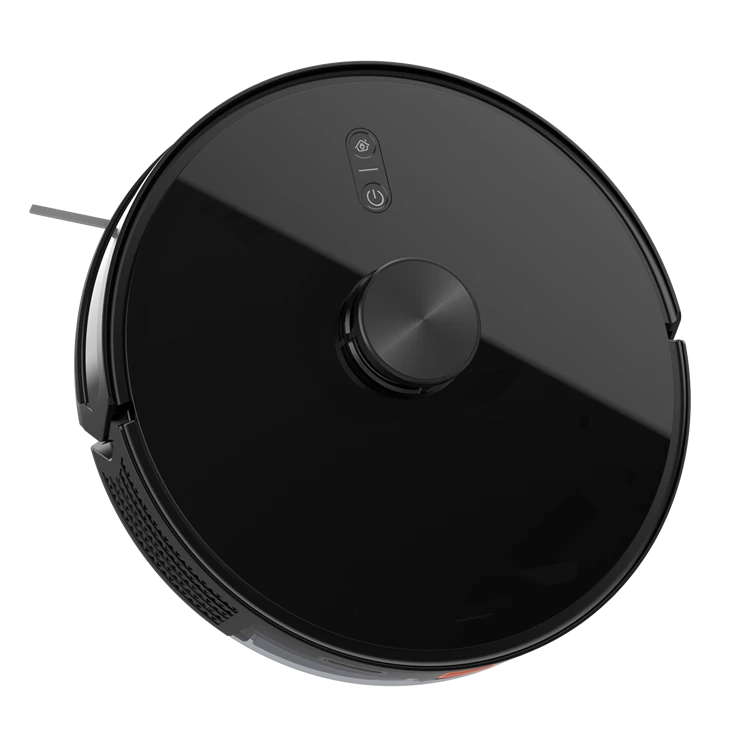
If you're in the market for a robot vacuum cleaner, we have a wide range of options to choose from. Our Household Robot Vacuum Cleaner collection includes models with different navigation technologies, features, and price points. We're confident that we can find the perfect vacuum for your needs.
If you're interested in learning more about our products or have any questions about how they perform in low - light conditions, don't hesitate to reach out. We're here to help you make an informed decision and find the best robot vacuum for your home. Just contact us, and we'll start the procurement discussion.
References:
- Industry reports on robot vacuum cleaner technologies
- User reviews and feedback on various robot vacuum models